
Written by Poonam Pankhania, Superintendent Pharmacist & Independent Prescriber
Medically reviewed by Poonam Pankhania, Superintendent Pharmacist & Independent Prescriber (GPhC 2068026) — last reviewed 16 November 2026
9 min read
Which travel vaccinations for Thailand do you need? UK travel health guidance recommends hepatitis A and an up-to-date tetanus vaccine for most travellers. Typhoid, hepatitis B, rabies and Japanese encephalitis depend on your route, how long you stay and what you will be doing. Malaria tablets are not usually needed in the main tourist areas.
Thailand is one of the most popular long-haul trips we prepare people for, and November to February is its busiest season. This guide explains which vaccines are recommended and why, where malaria is and is not a risk, the mosquito-borne illnesses no tablet prevents, and how far ahead to book. It is written by the pharmacist team at Garner Chemist on Pinner Road in Harrow, a registered Yellow Fever Vaccination Centre with a full travel clinic.
Travel vaccinations for Thailand at a glance
In the UK, country-by-country travel advice is published by the National Travel Health Network and Centre on TravelHealthPro. It splits vaccines into those recommended for most travellers and those to consider for some travellers, depending on the trip. The table below summarises the advice for Thailand as it stood when we checked it in November 2026.
| Vaccine | Who it is usually advised for | NHS or private |
|---|---|---|
| Hepatitis A | Most travellers | Usually free on the NHS |
| Tetanus (with diphtheria and polio) | Most travellers, if not boosted in the last 10 years | Usually free on the NHS |
| Typhoid | Some travellers: visiting friends and family, longer stays, eating away from hotels | Usually free on the NHS |
| Hepatitis B | Some travellers: longer stays, medical or dental treatment abroad, possible contact with blood | Private |
| Rabies | Some travellers: remote areas, longer stays, contact with animals, children | Private |
| Japanese encephalitis | Some travellers: rural areas and longer stays, especially in the north and in the rainy season | Private |
| Yellow fever | Only if arriving from a country with yellow fever risk (certificate required) | Private |
Everyone should also be up to date with the routine UK vaccines, including MMR. If you are not sure whether you had two doses of MMR as a child, tell us at your appointment.
The vaccines most travellers need
Hepatitis A
Hepatitis A is a liver infection spread through contaminated food and water. It is common in many parts of Asia, and you can catch it from street food, salads, ice or drinks just as easily in a good hotel as in a backpacker hostel. A single dose gives protection for the trip, and a booster six to twelve months later gives long-term protection. It is normally free on the NHS after a travel risk assessment.
Tetanus, diphtheria and polio
Tetanus enters through cuts and scrapes, which are easy to pick up on beaches, hikes, boat trips and motorbike rides. In the UK it is combined with diphtheria and polio in one injection. If your last dose was more than ten years ago and you are heading somewhere medical care may be hard to reach, a booster is usually recommended. Many adults simply do not know when they last had one, and we can check what is on record.
Vaccines that depend on your trip
Typhoid
Typhoid is another food and water infection. It is most relevant for people visiting friends and relatives, staying longer, or eating mainly at markets and local stalls. One injection protects for around three years and it is normally free on the NHS.
Hepatitis B
Hepatitis B spreads through blood and body fluids. It is worth considering for longer stays, anyone who may need medical or dental treatment while away, people getting tattoos, and anyone who could come into contact with blood through work or volunteering. It is a course of doses, and shorter schedules exist if you are leaving soon, so tell us your departure date when you book.
Rabies
Rabies is present in dogs, cats, monkeys and bats across Thailand. Temple monkeys and street dogs are part of many trips, and children are at higher risk because they are more likely to approach animals and less likely to report a scratch. Rabies is almost always fatal once symptoms start.
A pre-travel course does not remove the need for treatment after a bite, but it makes that treatment simpler and avoids the need for an injection called immunoglobulin, which can be hard to find in some places. The course is given over a few weeks, so it is one of the reasons to book early. Whatever you decide, the rule abroad is the same: if an animal bites, scratches or licks broken skin, wash the wound with soap and water for 15 minutes and get medical help the same day.
Japanese encephalitis
Japanese encephalitis is a viral infection spread by mosquitoes, mostly in rural farming areas with rice fields and pigs. TravelHealthPro notes the risk peaks from May to October and is highest in the north, including the Chiang Mai valley. Most short beach and city holidays do not need it, but it is worth discussing for longer trips, rural trekking, or a stay in the north in the rainy season. The vaccine is usually two doses, 28 days apart, with a faster schedule for some adults.
Travelling from Africa or South America first?
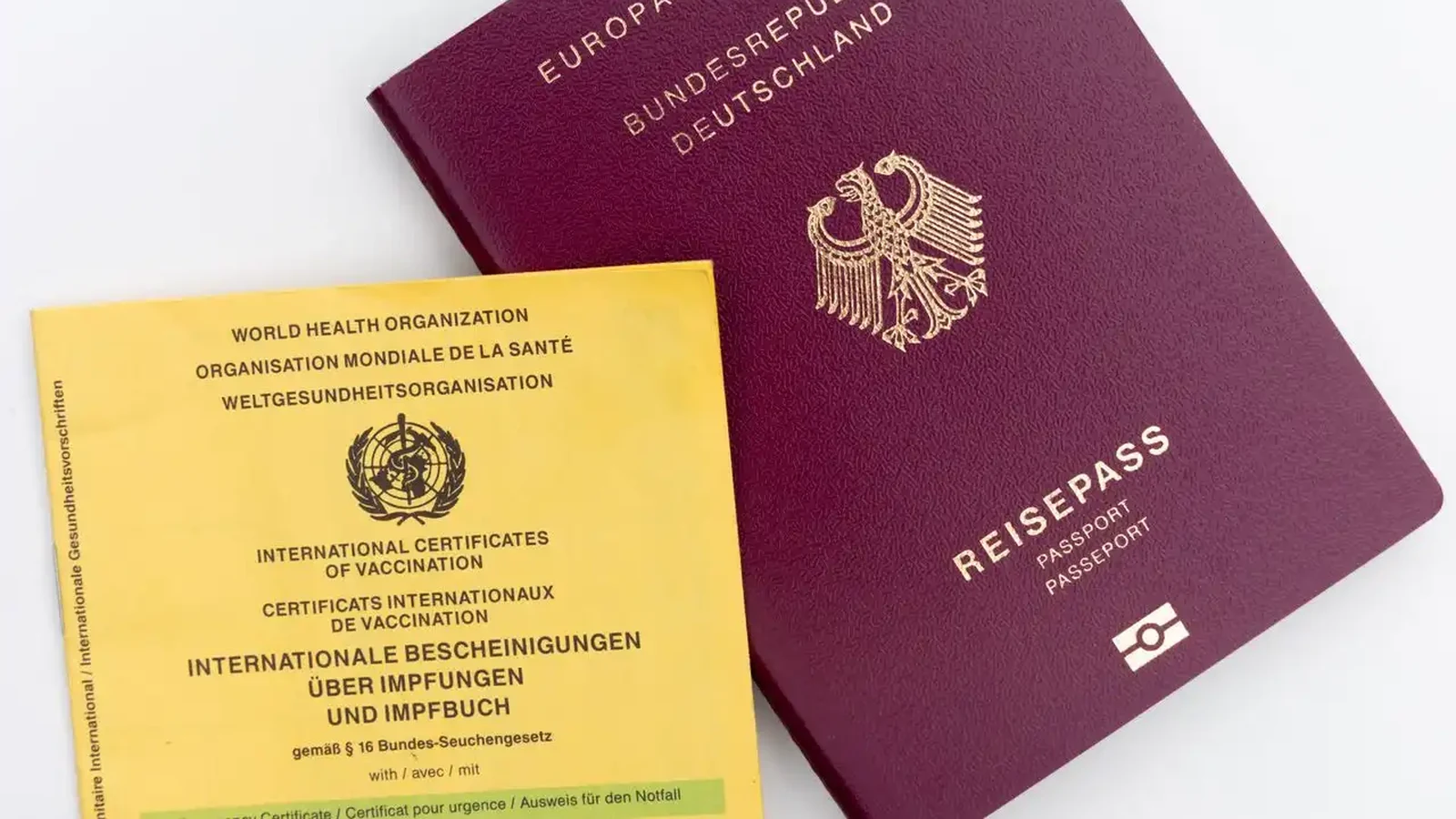
Thailand has no yellow fever, but it asks for a yellow fever certificate from travellers aged nine months or over who arrive from a country with yellow fever risk, or who spend more than 12 hours in transit at an airport in one. Our guide to yellow fever certificate requirements explains how this works. We are a registered centre, so we can vaccinate and issue the certificate in one visit.
Do you need malaria tablets for Thailand?
For most holidaymakers, no. TravelHealthPro states there is no malaria risk in the cities of Bangkok, Chiang Mai, Chiang Rai, Pattaya, Koh Samui and Koh Phangan, and that the risk in the remaining areas of the country is very low. Antimalarial tablets are not advised for those areas. Insect bite avoidance is still recommended everywhere.
The picture is different in the rural, forested areas along the borders with Cambodia, Laos and Myanmar, where the risk is low rather than very low. Most travellers there still do not need tablets, but they may be considered for people at higher risk of complications, such as those without a working spleen. If your itinerary includes jungle trekking near the borders or onward travel into neighbouring countries, bring your full route to the appointment. Mefloquine resistance is reported in Thailand, so it is not used there.
Malaria symptoms can start weeks or even months after you get home. If you develop a fever after a trip to a malaria area, tell the doctor where you have been.
Dengue, Zika and avoiding mosquito bites
The bigger mosquito risk in Thailand is not malaria but dengue fever, which occurs across the country, including in cities and resorts. Chikungunya and Zika virus are also present. These are spread by mosquitoes that bite during the day, so bite avoidance matters on the beach and in town, not just at dusk.
- Use an insect repellent containing DEET (50% is suitable for most adults), and apply sun cream first, then repellent.
- Cover up with loose, long sleeves and trousers when you can, especially early and late in the day.
- Sleep in air-conditioned rooms or under a net if windows are open.
A dengue vaccine is available privately in the UK for some travellers, mainly people who have had dengue before. Ask us whether it is relevant to you.
Pregnant or planning a pregnancy?
Because of Zika, TravelHealthPro advises pregnant women to discuss travel to Thailand with a health professional before booking. Women are advised to avoid becoming pregnant during travel and for two months afterwards, or three months if a male partner travelled. Some travel vaccines are also not given in pregnancy, so tell us if you are, or might be, pregnant.
When to book your Thailand travel vaccinations
The NHS travel vaccination guidance and NaTHNaC advice is to get travel health advice at least four to six weeks before you travel, and we suggest six to eight weeks where you can, because some vaccines need more than one dose and most take up to two weeks to work fully. Rabies, hepatitis B and Japanese encephalitis are the ones that most often need that time. If you are flying out for Christmas or New Year, that means booking now.
If your flight is sooner, still come in. A last-minute appointment can usually cover the vaccines that matter most, use shortened schedules where they exist, and go through food, water and bite advice. Our travel vaccinations checklist covers the general timings for other destinations if Thailand is one stop on a longer trip.
Staying well while you are there
- Food and water: drink bottled or treated water, be cautious with ice and raw salads, and wash or sanitise your hands before eating. Pack oral rehydration sachets for travellers' diarrhoea.
- Sun and heat: the sun is strong all year. Use a high-factor sun cream, drink more than you think you need, and take it easy in the midday heat.
- Roads and water: road traffic accidents are one of the main causes of injury to travellers. Wear a helmet on scooters, and check your insurance covers it.
- Your medicines: carry enough for the whole trip plus a few days, in original packaging, with a copy of your prescription. The FCDO travel advice for Thailand covers entry rules, and some medicines are controlled there, so check before you pack.
Thailand travel advice at our Harrow travel clinic
At Garner Chemist we plan travel vaccinations for Thailand in one appointment in our private consultation room at 160 Pinner Road, between North Harrow and Harrow town centre and a short bus ride from Rayners Lane and Pinner. Bring your itinerary and any record of past vaccinations, and we will go through your route, recommend what you need, give the NHS vaccines you are eligible for and book any second doses before you leave.
Prices for private vaccines change, so please contact us for current pricing before you book. Full details of what we offer, including antimalarial advice and yellow fever certificates, are on our travel clinic page.
Destination advice in this guide was checked against TravelHealthPro and nhs.uk on 13 November 2026. Recommendations can change, especially during outbreaks, so we always check the current advice for your dates at your appointment.
Frequently asked questions
Where our patients travel from
We are at 160 Pinner Road, Harrow HA1 4JJ. Patients come to us for travel vaccinations for thailand from across north-west London and the surrounding HA postcodes:
- North Harrow (HA1, HA2) — on Pinner Road between North Harrow and Harrow town centre. Near North Harrow station and Pinner Road.
- Harrow town centre (HA1) — about a 15-minute walk or a short bus ride from Harrow town centre. Near St Ann's Shopping Centre and St George's Shopping Centre.
- Rayners Lane (HA2, HA5) — around 10 minutes from Rayners Lane. Near Rayners Lane station and Alexandra Avenue.
- Pinner (HA5) — straight down Pinner Road from Pinner, roughly a 10-minute drive. Near Pinner station and Pinner High Street.
About the author
Poonam Pankhania — Superintendent Pharmacist & Independent Prescriber
Poonam Pankhania is the Superintendent Pharmacist at Garner Chemist on Pinner Road, Harrow, and an independent prescriber. She leads the pharmacy's NHS Pharmacy First, travel health and ear care services.
More about our teamRelated health advice
Travel Vaccinations Checklist: Which Vaccines Do You Need, By Destination
A destination-by-destination checklist of which travel vaccines you need, how far ahead to book, and which are free on the NHS.
Yellow Fever Certificate Requirements: Which Countries Actually Demand One
Required and recommended are two different things. A pharmacist explains which countries demand an ICVP on entry, the transit rule that catches out multi-stop travellers, and why the certificate now lasts for life.